Boo Boo Kit Packing List – A Thread – A “booboo kit” isn’t just a cute name — it’s your first line of defense when small injuries turn into big problems. It’s not a trauma kit, and it’s not an IFAK. This is for the everyday damage — the cuts, burns, splinters, stings, and blisters that stop good training, range days, or missions dead in their tracks. The goal is simple: keep yourself or your team functional, infection-free, and in the fight.
Core First Aid Components
Adhesive Bandages:
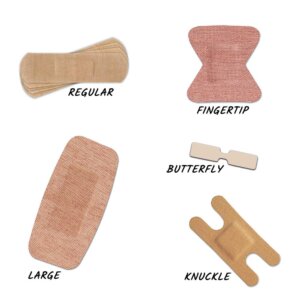
You’ll want a variety — small adhesive bandages for scrapes, fingertip and knuckle bandages for high-flex areas, and butterfly closures for small lacerations. Steri-strips are an absolute must have. Adhesive bandages handle everything from an open knuckle after a weapon malfunction to a torn cuticle mid-hike. Super glue is also a very handy tool for superficial wound closure.
Gauze Pads:
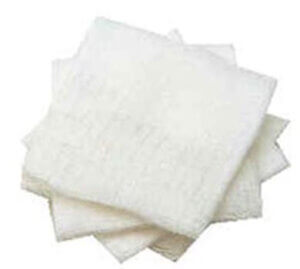
Carry sterile 2×2, 3×3, and 4×4 pads. These manage bleeding, protect wounds, and provide sterile coverage, absorbent, wound coverage before you tape them down.
Medical Tape:
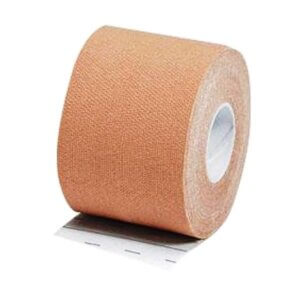
Good tape makes or breaks your kit. Paper tape works for sensitive skin, but cloth or surgical tape is what you want for field use. It stays put under sweat and dirt. Leukotape K (Kinesiology Tape) is fantastic for field expedient tape. The adhesive is much better than traditional medical tape. A small role of self adherent coban tape is also helpful.
Wipes & Ointments:
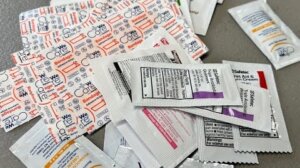
Antiseptic wipes (alcohol, BZK, or iodine) clean the area; antibiotic ointment prevents infection. Between the these, you can treat 90% of minor wounds safely. A small bottle of saline contact solution is incredibly handy for debris in eyes and washing minor wounds in the field.
Gloves:
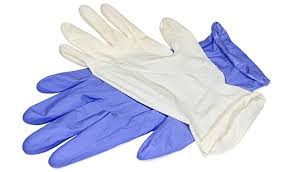
Nitrile gloves are non-negotiable. They protect you and whoever you’re treating from cross-contamination — whether that’s blood, grime, or oil.
Tools:
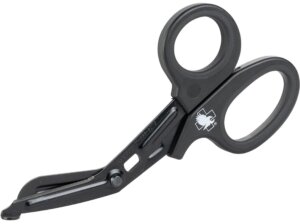
Include a small pair of trauma shears for cutting tape or fabric and quality precision tweezers for splinters, ticks, or debris. You’ll use them more than you think. If you are in a tick rich environment consider a tick removal tool. A small scalpel or sterile razorblade can also be a handy tool to have in the mix.
Miscellaneous:
Cravat, elastic (ACE) bandage, safety pins, mini flashlight.
Skin Care & Pain Management
Skincare:
Sunscreen, insect repellent, lip balm (for chapped lips or windburn).
Moleskin / Adhesive Strapping Tape:
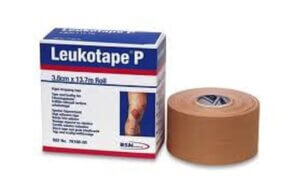
If you’ve ever hiked with a blister, you know why this matters. Moleskin cushions friction points, while something like Leukotape P (a pro-grade strapping tape) provides superior adhesion and blister prevention. Leukotape P tape is absolutely amazing for hotspots and blister prevention on feet. The adhesive on the tape is excellent even on sweaty feet.
Burn Care:
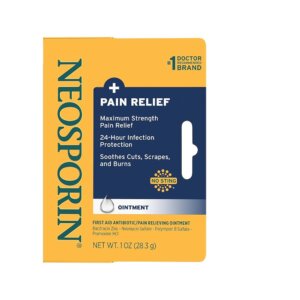
A small burn gel or cream can stop pain, prevent blistering, and protect the area — crucial for hot brass burns or friction burns from webbing or rope. Neosporin cream “with Pain Relief” is outstanding on minor burns.
Pain Relief:
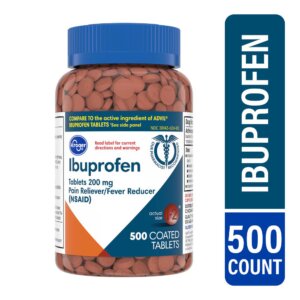
Over-the-counter meds like ibuprofen, acetaminophen, or aspirin handle pain, inflammation, and fever. Label and separate them by dose and type for easy identification.
Sting Relief:
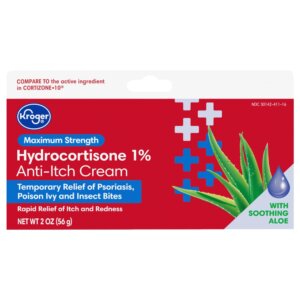
Insect bites or mild allergic reactions can escalate in the field. Carry sting wipes or a small tube of hydrocortisone. If you have known allergies, add Benadryl or another antihistamine.
Personal & Miscellaneous Items
Hydration Support:
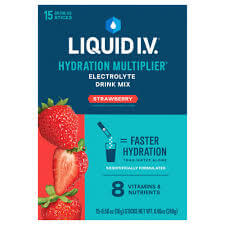
Electrolyte tablets or hydration mixes (like Liquid I.V. or Nuun) replace what sweat takes out. Dehydration slows healing and clear thinking. It’s not a bad idea to add a few cough drops and hard candy.
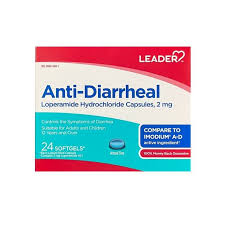
Anti-Diarrheal & Allergy Meds:
Small doses of Imodium and Benadryl can prevent a trip from becoming a disaster. These aren’t luxuries, they’re force multipliers for your endurance.
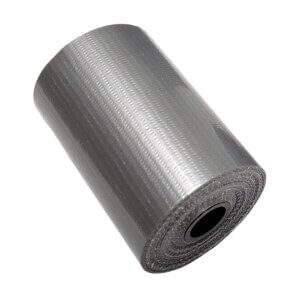
Duct Tape & Permanent Marker:
Duct tape fixes everything from torn gear to improvised bandages. A permanent marker lets you label medication, note injury times, or mark a casualty.
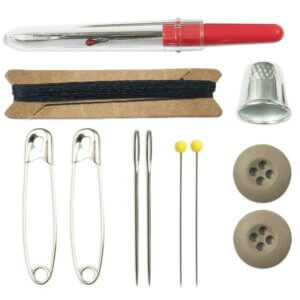
Sewing Kit, Sutures, & Super Glue:
This is advanced territory. A small sewing kit handles torn gear or ripped clothing. (get a real sewing kit. Say no to the cheapo dollar store garbage). If you know what you’re doing, suture needles and medical super glue can close small lacerations when professional care is hours away. (If not, don’t play doctor.)
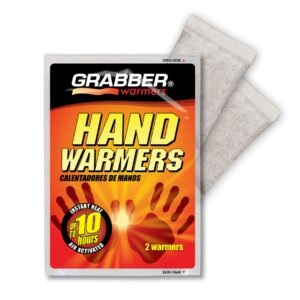
Gloves, Hand Warmers, Environmentals:
If you operate in the cold, pack hand warmers. They double as pain management and prevent dexterity loss. Alternatively, an instant cold pack can be very helpful for different situations.
Optional (but worth considering)
Emergency Blanket:
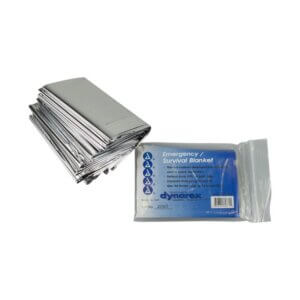
A mylar or thermal blanket controls shock and maintains body heat. It weighs almost nothing, but it can save a life in a temperature drop.
Compact Splint:
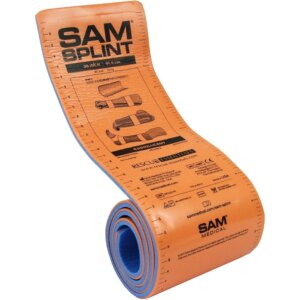
A foldable aluminum SAM style splint stabilizes sprains or breaks long enough to get off the trail or range safely.
Bottom Line
Your booboo kit isn’t about being a medic — it’s about being capable.
It’s about staying operational when the environment, your equipment, or your own body tries to slow you down. In every range bag, truck, and pack, this kit fills the gap between comfort and survival. Small wounds don’t have to end your day — but only if you plan ahead.
Keep your trauma kit for the big stuff. Keep your booboo kit for everything else.
This is a fairly comprehensive list. Depending on what you are trying to carry on your person, your kit, or in a pack or vehicle and space available really depends how much of the gear listed above you may want to consider. What would you add to this list? We would love to hear your feedback.